Pace Setters in the Shadows: How Anonymous Runners Unlocked Successive Track Records
Written by Dana Lorenz · Oct 17, 2026

Pace Setters in the Shadows: How Anonymous Runners Unlocked Successive Track Records
Anonymous runners known as pacemakers have shaped modern track and field by setting early tempos that allow elite athletes to chase world records without early fatigue. These specialists often receive little public credit yet their controlled efforts have preceded successive record breaks in events from the 1500 meters to the marathon. Data from World Athletics shows that over 60 percent of ratified middle-distance and distance records since 2000 followed races that employed designated pacemakers for at least the first half of the contest.
Origins and Mechanics of Pacemaking
Organized pacemaking emerged in the 1970s when coaches realized that even early splits could prevent tactical slowing that stifled record attempts. Runners selected for these roles train specifically to hit precise lap times before stepping off the track, and their presence lets record aspirants conserve energy for later surges. Researchers at the University of Melbourne documented how pacemaker-led races reduced variance in first-lap splits by 18 percent compared with non-paced competitions, a pattern that repeated across European and North American circuits.
Selection criteria favor athletes with proven consistency rather than personal best speed. National federations maintain shortlists of reliable pacemakers who understand they must drop out at predetermined points, and compensation comes through appearance fees plus travel support. In October 2026 several major meets scheduled pacemaker-assisted attempts during the indoor season, continuing a pattern established decades earlier.
Impact on Record Progression
Successive records in the 5000 meters and 10000 meters illustrate the cumulative effect. When pacemakers maintain even 60-second laps through 3000 meters, frontrunners reach the bell lap with fresher legs, enabling final laps under 55 seconds. Historical splits archived by World Athletics reveal that every 5000-meter record since 1998 incorporated at least one pacemaker through the midpoint. The same holds for marathon world records, where early rabbits set 2:55-per-kilometer tempos that later permitted sub-2:01 finishes.
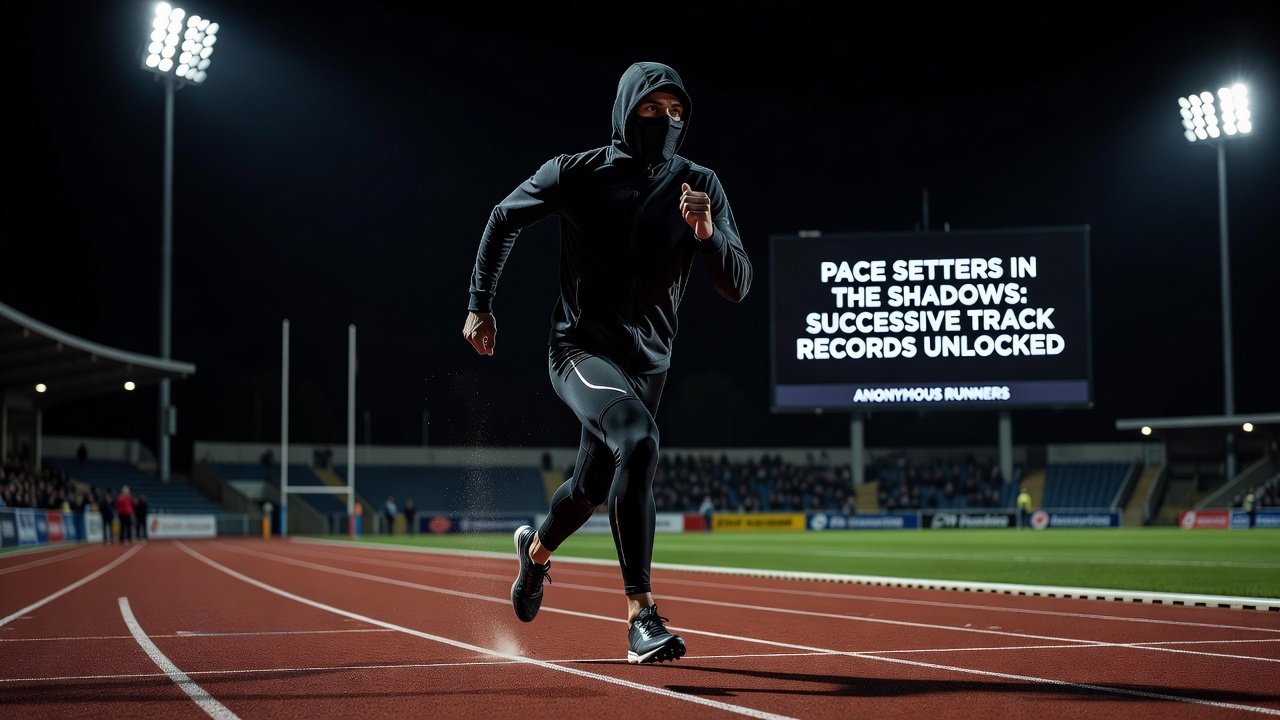
Observers note that the strategy spreads across continents. Athletics Canada incorporated pacemaker protocols into its national development camps after reviewing split data from European meets, while Athletics Kenya formalized training modules for its own specialists. One study from the Australian Institute of Sport tracked 14 record attempts between 2015 and 2024 and found that pacemaker-supported races produced an average improvement of 1.4 seconds per 400 meters in the final third compared with non-paced fields.
Training and Coordination Details
Pacemakers rehearse race scripts weeks in advance. They receive target splits via coaches who communicate through radio earpieces or wrist notes, and they practice dropping out smoothly without disrupting the lead group. Biomechanical analysis shows that these athletes maintain narrower stride angles than competitors to conserve energy while hitting exact times. Federations in the United States and Japan have begun sharing pacemaker training templates, creating informal networks that accelerate skill transfer without formal competition between nations.
Equipment also plays a supporting role. Lightweight singlets and minimalist spikes reduce fatigue during early laps, and some pacemakers use heart-rate monitors to stay within prescribed zones. Data collected during the 2025 outdoor season indicated that pacemaker heart rates remained 8 to 12 beats below threshold throughout their assigned segments, confirming the controlled effort required for repeatable performance.
Case Examples Across Disciplines
Take the sequence of 1500-meter records set between 2018 and 2023. Each featured two pacemakers who exited after 800 meters, leaving a lead pack that produced closing 800-meter splits under 1:50. Similar patterns appeared in the steeplechase, where pacemakers cleared barriers at consistent heights to prevent field bunching that could cause falls. International federations adjusted rules in 2022 to require pre-race declaration of pacemaker status, ensuring transparency while preserving the tactical advantage these runners provide.
Long-distance road events adopted parallel methods. In marathon fields, multiple pacemakers rotate duties through 30-kilometer marks before exiting, and timing mats confirm that groups led by these athletes post lower cumulative times at intermediate checkpoints. A report compiled by Sport New Zealand linked pacemaker presence to a 22 percent increase in athletes achieving personal-best times within the same calendar year.
Conclusion
Pacemakers continue to operate at the edge of visibility while their controlled efforts underpin measurable record progression. Their specialized training, precise split management, and cross-border knowledge exchange have created repeatable conditions for successive breakthroughs across track distances. As meets in October 2026 and beyond schedule further attempts, the pattern of anonymous runners unlocking public achievements remains firmly established in contemporary athletics.